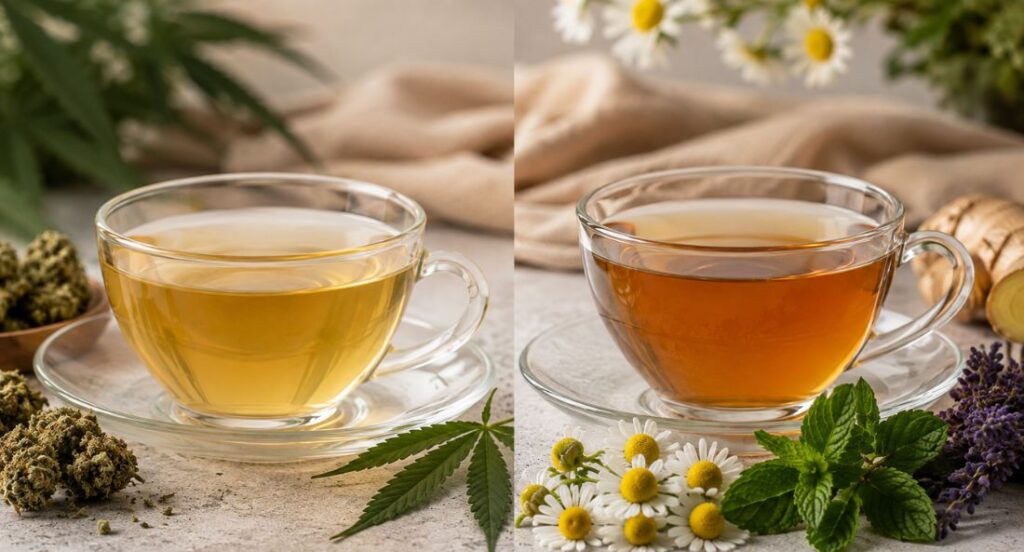
THCA tea has become one of the most talked-about additions to the world of herbal teas. As hemp-based alternatives to traditional herbal tea are explored, it’s natural to wonder how THCA tea compares to favourites such as chamomile and peppermint tea, as well as other naturally caffeine-free blends.
While both THCA tea and herbal tea are enjoyed as part of a wellness-focused routine, they are made from different plants and contain different naturally occurring compounds. From flavour and brewing methods to naturally occurring plant compounds, several factors set THCA tea apart from traditional herbal infusions.
In this guide, we’ll compare THCA tea vs herbal tea, explore what makes THCA tea unique, and help you decide which option best suits your daily tea routine.
At Kushte, explore our range of premium THCA flowers for gentle tea brewing, available at competitive prices with fast delivery.
What is THCA tea?
THCA tea is a hemp tea made using hemp flowers naturally rich in THCA (tetrahydrocannabinolic acid), a naturally occurring cannabinoid found in raw hemp plants.
Many people choose THCA tea as a unique alternative to more traditional herbal infusions and may choose either Type 1 THCA flowers (high THCA content and very low levels of CBD) or Type 2 THCA flowers (a balance of THCA and CBD).
As with other loose-leaf teas, quality matters, and premium hemp flowers can yield a more flavourful result while preserving the plant’s natural compounds.
What is traditional herbal tea?
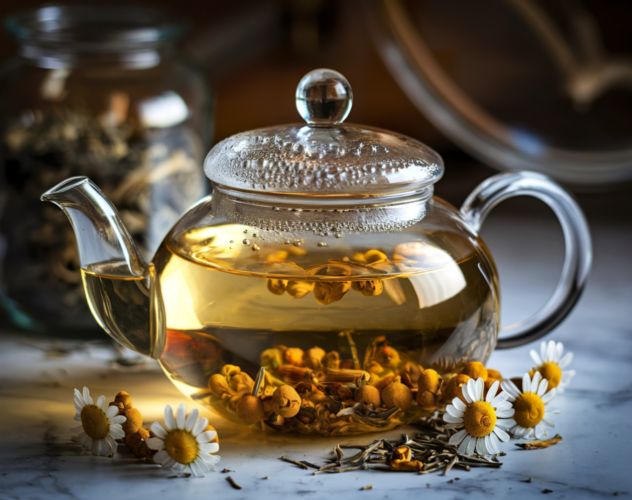
Despite the name, many popular ‘teas’ aren’t actually made from the tea plant. True teas such as black tea, green tea, white tea, and oolong tea all come from the Camellia sinensis plant.
Herbal teas, by contrast, are herbal infusions made from a variety of botanicals, including herbs such as peppermint, flowers such as chamomile and hibiscus, roots such as ginger, fruits, bark, and spices.
Popular herbal teas include:
- Chamomile tea
- Peppermint tea
- Ginger tea
- Hibiscus tea
- Rooibos tea
- Lavender blends
- Fruit teas
- Chai-inspired herbal infusions
One reason herbal tea remains so popular is that many varieties are naturally caffeine-free, making them a popular caffeine-free tea alternative to coffee, black tea, and other caffeinated drinks.
THCA tea vs herbal tea
While THCA tea is naturally caffeine-free, traditional herbal teas encompass a wide variety of ingredients and flavour profiles. Although many herbal teas are also caffeine-free, the two categories are made from very different ingredients.
The table below highlights some of the key differences between the two:
| Feature | THCA Tea | Traditional Herbal Tea |
|---|---|---|
| Primary ingredient | Hemp flower rich in THCA | Herbs, flowers, fruits, roots, and spices |
| Key naturally occurring compounds | Cannabinoids, including tetrahydrocannabinolic acid (THCA), plus terpenes and flavonoids | Plant compounds specific to the ingredients used, such as herbs and fruits |
| Naturally caffeine-free | Yes | Most varieties are naturally caffeine-free |
| Flavour profile | Earthy, herbal, fresh, and botanical | Wide-ranging, from floral and minty to fruity and spicy |
| Brewing method | Steep in hot water according to brewing instructions | Steep in hot water |
| Popular varieties | Type 1 THCA flower and Type 2 THCA flower blends | Chamomile, peppermint, rooibos, hibiscus, ginger, fruit teas, and chai blends |
| Common additions | Lemon, honey, ginger, cinnamon | Honey, milk, lemon, fruits, herbs, and spices |
| What makes it unique? | Contains naturally occurring cannabinoids from premium hemp flower | Offers diverse flavours and traditions from a wide range of botanicals |
THCA tea shares many characteristics with traditional herbal infusions, including a simple brewing process and a wide range of flavour-pairing options. However, its cannabinoid content and hemp-derived flavour profile give it a distinctive identity within the broader world of herbal tea.
THCA tea compared with popular herbal teas
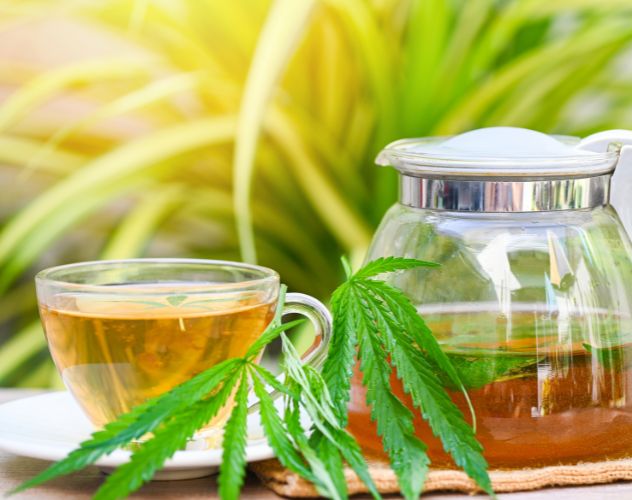
Traditional herbal teas are often chosen for their distinctive flavours and ingredients:
- Chamomile tea – delicate floral character
- Peppermint tea – refreshing taste
- Ginger tea – warming spice
- Rooibos tea – naturally smooth sweetness
- Fruit teas and hibiscus tea – vibrant and tangy flavour profiles
THCA tea occupies a slightly different space. Rather than focusing on floral, fruity, or spicy notes, it offers a more earthy and botanical flavour profile derived from premium hemp flower. This makes it an appealing option for tea drinkers looking to explore something beyond traditional herbal infusions while still enjoying the familiar ritual of brewing and drinking tea.
Like many herbal teas, THCA tea can also be customised to suit personal preferences. Ingredients such as honey, lemon, ginger, or cinnamon can all be added to create a more personalised drink, allowing tea enthusiasts to experiment with flavours while retaining the distinctive character of hemp tea.
What makes THCA flower tea unique?
- Contains naturally occurring cannabinoids alongside terpenes and flavonoids
- Offers a distinctive hemp-derived flavour profile
- Available in both Type 1 and Type 2 hemp flower varieties
For many tea drinkers, this combination is what makes THCA tea particularly interesting. It provides a simple way to explore hemp’s naturally occurring compounds within a format that feels familiar, approachable, and easy to incorporate into an existing tea routine.
Whether enjoyed on its own or alongside other herbal favourites, THCA tea brings something different to the table, helping it carve out its own place within the growing world of herbal infusions.
Why more tea drinkers are exploring THCA tea
The tea market continues to evolve as consumers look beyond traditional green tea, black tea, and herbal infusions in search of new flavours and experiences.
What factors are behind the growing interest in THCA tea?
Naturally caffeine-free
Many people are actively looking to reduce their caffeine intake. Unlike black, green, white, and oolong tea, THCA tea is naturally caffeine-free, making it an appealing option for those seeking an alternative to traditional caffeinated drinks.
A unique hemp tea experience
Traditional herbal teas rely on herbs, flowers, fruits, and spices for their distinctive characteristics. THCA tea introduces premium hemp flower into the tea-drinking experience, creating a flavour profile that is typically more earthy and botanical than many traditional herbal infusions.
For tea enthusiasts looking to explore something different, this distinctive character is part of what makes THCA tea unique.
Naturally occurring hemp compounds
One of the main reasons THCA tea stands apart from traditional herbal teas is its naturally occurring cannabinoid content.
Alongside tetrahydrocannabinolic acid (THCA), hemp flower also contains other naturally occurring compounds, including terpenes and flavonoids. This unique combination has contributed to growing interest in THCA tea among consumers exploring hemp-based products as part of a broader wellness-focused lifestyle.
Fits existing tea rituals
One reason THCA tea has gained popularity is its simplicity. There is no complicated preparation process. Brewing THCA tea follows the same straightforward approach familiar to anyone who enjoys loose-leaf teas or herbal infusions, making it easy to incorporate into an existing daily routine.
Is THCA tea replacing traditional herbal tea?
Not necessarily. Traditional herbal teas such as chamomile, peppermint, ginger, hibiscus, and rooibos remain popular choices for tea drinkers worldwide.
Instead of replacing herbal tea, THCA tea is expanding the range of options available. Much like fruit teas, chai blends, and other specialist herbal infusions have developed their own place within the tea market, THCA tea is emerging as another choice for those looking to explore new flavours and botanical ingredients.
The importance of quality THCA flowers for tea
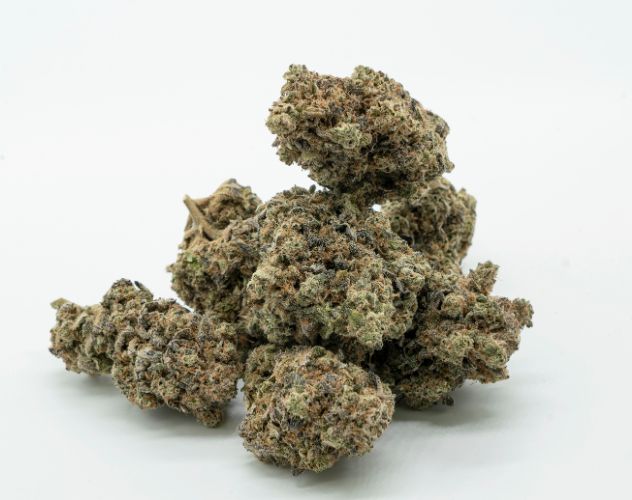
The quality of the flower can influence flavour, aroma, freshness, and overall enjoyment. Carefully cultivated hemp flowers are often valued for their appearance, terpene profile, and consistency, helping to create a more flavourful drink.
When choosing THCA tea, it’s worth looking for products that prioritise:
- Premium hemp flower
- Careful cultivation practices
- Freshness and consistency
- Transparent product information
- Independent laboratory testing
At Kushte, we believe quality matters. That’s why our THCA flowers are selected specifically for tea brewing, helping customers enjoy a premium hemp tea experience.
Summary
When comparing THCA tea vs herbal tea, both offer a simple and enjoyable way to explore a wide range of flavours and botanical ingredients. While THCA tea shares similarities with traditional herbal teas, its hemp origins and naturally occurring compounds give it a distinctive character.
THCA tea stands apart for its use of premium hemp flower, distinctive botanical flavour profile, and naturally occurring compounds, including tetrahydrocannabinolic acid (THCA). While traditional herbal teas such as chamomile, peppermint, rooibos, ginger, and hibiscus remain popular choices, THCA tea offers a unique alternative in the growing world of herbal infusions.
For tea enthusiasts looking to explore premium hemp tea, new flavours, and a different tea-drinking experience, THCA tea is carving out its own place alongside traditional herbal favourites.
Buy premium THCA flowers from Kushte
If you’re ready to explore THCA tea for yourself, Kushte offers a carefully selected range of premium THCA flowers. Whether you’re interested in Type 1 THCA flowers or balanced Type 2 varieties, our collection is selected for quality, flavour, and consistency.
Explore the Kushte range today, and if you have any questions, contact us, and we’ll be happy to help.
Frequently Asked Questions
THCA tea is a type of hemp tea made from hemp flowers rich in tetrahydrocannabinolic acid (THCA). While it shares similarities with herbal tea, it differs in that it contains naturally occurring cannabinoids not found in traditional herbal infusions.
No. THCA tea is naturally caffeine-free, making it a popular alternative to caffeinated coffee and traditional teas made from the Camellia sinensis plant, such as black tea and green tea.
THCA tea typically has an earthy, fresh, and herbal flavour profile. Many people enhance the taste by adding honey, lemon, ginger, cinnamon, or other herbs to create a more personalised experience.
Disclaimer: This article is for informational purposes only and does not constitute medical advice. Always seek guidance from a healthcare professional before starting any new supplement.