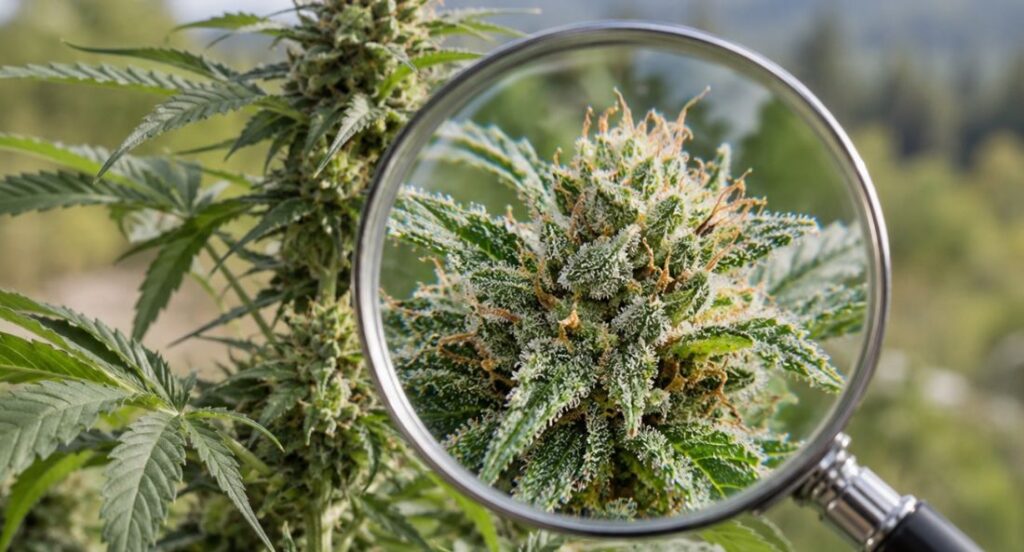
There are some common misconceptions surrounding THCA flower, including claims that it’s simply another name for THC, that all THCA flower is sprayed or synthetic, or that it automatically produces psychoactive effects.
In reality, THCA (tetrahydrocannabinolic acid) is a naturally occurring compound found in raw cannabis plants, including raw hemp flower. It is chemically distinct from delta-9 THC and is non-psychoactive in its raw form. Different flowers can also vary in their cannabinoid profile, terpene content and cultivation.
In this guide, we debunk some of the most common myths about THCA hemp flower and clarify the key points behind them.
If you’re ready to buy, browse our premium range of US-imported THCA flowers, including Type 1 and Type 2 options for hemp tea. If you need help choosing a product, please contact us.
Common THCA myths explained
There’s plenty of conflicting information surrounding THCA flower, particularly when it comes to psychoactivity, cultivation, cannabinoid content and legal status.
Here are some of the most common THCA myths explained:
Myth 1: THCA and THC are basically the same thing
THCA and THC are related cannabinoids, but they are not the same compound.
THCA stands for tetrahydrocannabinolic acid and is an acidic precursor to delta-9 THC. THCA contains a carboxyl group, giving it a different molecular structure from THC.
This distinction matters as raw THCA is non-psychoactive, whereas delta-9 THC is the psychoactive compound associated with intoxicating effects.
Myth 2: THCA flower automatically produces psychoactive effects
THCA flower is non-psychoactive in its raw form. A high THCA percentage does not mean the raw flower itself produces psychoactive effects. As THCA is chemically distinct from delta-9 THC, THCA concentration should not be treated as a measure of psychoactivity.
Temperature can affect THCA’s molecular structure. All Kushte products are intended solely for brewing hemp tea at temperatures up to 100°C, ensuring that THCA remains in its natural, non-psychoactive state.
For more detail, read Is THCA Psychoactive? What UK Hemp Tea Drinkers Should Know.
Myth 3: THCA flower is synthetic or sprayed
THCA itself is not a synthetic cannabinoid. It is a naturally occurring compound produced by the cannabis plant and found naturally in raw flower.
High-THCA flower can be developed through genetics and careful cultivation, allowing the cannabinoid to form naturally within the hemp plant rather than being added afterwards.
However, not every THCA product on the wider market should be assumed to have been produced in exactly the same way. Some processed cannabis products may use isolates or post-harvest treatments, which is why sourcing and product information matter.
Kushte’s THCA flowers are naturally cultivated, imported from trusted US growers and supported by laboratory testing.
Myth 4: THCA flower is just ‘weed’ under another name
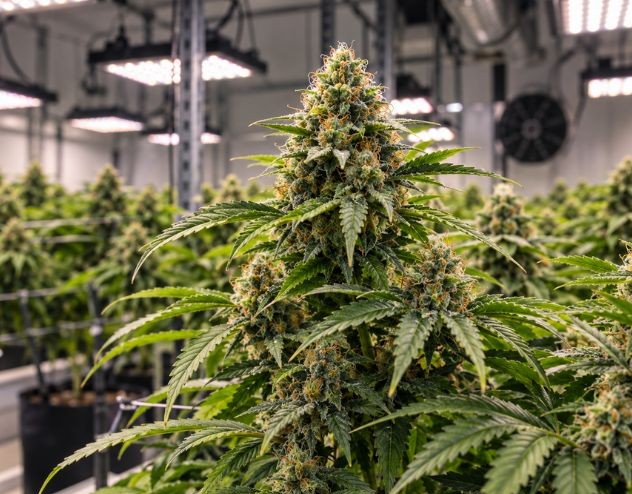
THCA flower is not simply another name for ‘weed’. The term “weed” is commonly used to describe cannabis grown or used for its psychoactive THC content.
THCA flower, by contrast, is flower that contains high levels of THCA (tetrahydrocannabinolic acid), a naturally occurring cannabinoid that is non-psychoactive in its raw form. THCA is chemically distinct from delta-9 THC, which is associated with psychoactive effects.
Different THCA flowers can also contain different proportions of THCA, CBD, and other cannabinoids, along with terpenes and flavonoids.
At Kushte, THCA flower is supplied specifically for preparation as hemp tea, with Type 1 and Type 2 flowers offering different cannabinoid profiles, aromas and flavours.
Myth 5: THCA flower only contains THCA
Despite the name, THCA flower contains more than one plant compound.
Alongside THCA, the flower may contain:
- CBD and CBDA
- Smaller amounts of other cannabinoids such as CBG and CBC
- Aromatic terpenes
- Naturally occurring flavonoids
The precise proportions depend on factors such as plant genetics and cultivation.
This wider chemical composition helps explain why two flowers with similar THCA concentrations can still have noticeably different aromas, flavours and cannabinoid profiles.
To explore how these compounds may potentially interact, read What Is the Entourage Effect in THCA Hemp Tea?.
Myth 6: The highest THCA percentage always means the best flower
THCA percentage tells you how much tetrahydrocannabinolic acid a flower contains, but it does not tell you everything about quality.
When comparing THCA products, other useful information includes:
- The wider cannabinoid profile
- Terpene content and expected aroma
- Freshness and appearance
- Source and cultivation methods
- Laboratory results
Laboratory testing can also provide information about cannabinoid content and, depending on the testing panel, contaminants such as heavy metals or other potentially harmful substances.
Myth 7: THCA is a legal ‘grey area’
Is THCA legal in the UK? THCA itself is currently legal in the UK. Its legal status is sometimes confused with that of delta-9 THC because the two compounds are closely related, but they should not be treated as the same thing.
For more information on THCA legal status in the UK, read our guide to THCA’s legal status in the UK. As regulations can change, it’s important to check the latest guidance when researching THCA products.
Myth 8: THCA has proven health benefits
Research into THCA is continuing, but early findings should not be confused with proven medical benefits.
Preclinical research has examined whether THCA may have anti-inflammatory properties and neuroprotective properties. These studies have contributed to interest in its potential therapeutic benefits, but they do not confirm that THCA provides health benefits in people.
More research, particularly well-controlled human studies, is needed to understand the potential benefits and risks, and adverse effects associated with THCA products.
If you take prescription medications or have underlying health conditions, it is sensible to discuss hemp-derived products and seek medical advice from a qualified healthcare professional before use.
THCA products should not be viewed as a replacement for professional medical treatment or advice.
What to look for when researching THCA flower
When researching THCA flower, it helps to focus on information that can be checked rather than broad claims about potency, effects or quality. Look for clear, transparent product details such as:
- Clear cannabinoid information
- Third-party laboratory testing
- Transparent cultivation and sourcing information
- Clear instructions for intended use
- Accurate distinctions between THCA and delta-9 THC
- Realistic language around potential effects
Be particularly cautious of claims that promise specific health outcomes or suggest every THCA product is produced the same way.
Key takeaways: common THCA myths
THCA is a naturally occurring cannabinoid found in raw hemp flower and is chemically distinct from delta-9 THC. In its raw form, it is non-psychoactive and does not produce the same intoxicating effects as THC.
Common claims that THCA flower is simply another name for THC, is always synthetic or sprayed, or can be judged by THCA percentage alone do not reflect the full picture. Cannabinoid and terpene profiles, cultivation, freshness and laboratory information all provide useful context when comparing products.
Research into potential health benefits is still developing, and current evidence does not establish proven therapeutic benefits of THCA in humans.
Explore naturally cultivated THCA flower at Kushte
At Kushte, you can explore premium, US-imported THCA flowers selected from trusted growers and intended specifically for hemp tea.
Our range includes Type 1 THCA flower and Type 2 THCA flower, with different cannabinoid concentrations, aromas and terpene profiles to explore.
For more information about the range, please contact us.
Frequently asked questions
Yes. THCA (tetrahydrocannabinolic acid) forms naturally within the hemp plant and can be present in raw flower before any processing. It is the acidic form related to delta-9 THC.
No. In raw hemp flower, THCA is non-psychoactive. Its chemical structure differs from delta-9 THC, so the two compounds don’t behave the same way and shouldn’t be treated as equivalent.
No. THCA percentage only tells you how much THCA is present. Quality also depends on factors such as terpene profile, freshness, cultivation, appearance and laboratory information.
Disclaimer: This article is for informational purposes only and does not constitute medical advice. Always seek guidance from a healthcare provider before starting any new supplement.