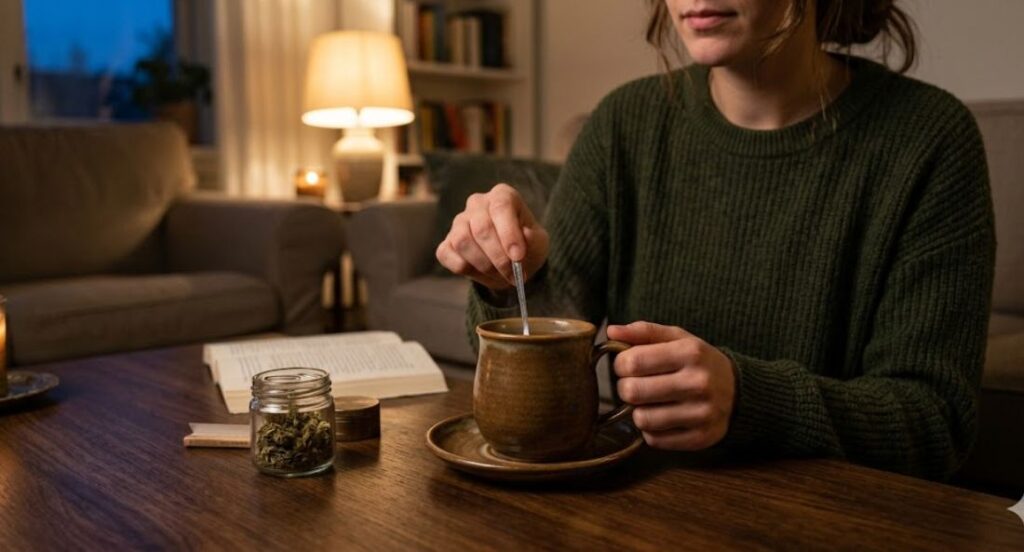
After a busy day, many adults look for ways to ease stress, regulate their stress response, and prepare for a good night’s sleep. Alongside relaxation techniques such as deep breathing, reading, or limiting screen time, some people explore plant-based options such as THCA tea as part of their evening routine.
THCA (tetrahydrocannabinolic acid) is a naturally occurring compound found in raw hemp plants. In its raw form, THCA is considered a non-psychoactive cannabinoid. When brewed gently as a tea, it can be enjoyed without intoxicating effects, making it appealing for those exploring THCA for sleep within a calm, consistent nighttime ritual.
In this guide, we’ll explain what THCA tea is, why some people use THCA as part of a natural approach to stress relief and better sleep, how to brew it, and how to incorporate it into a structured routine that supports healthy sleep habits.
At Kushte, we offer a premium range of THCA flowers, including Type 1 and Type 2, all carefully sourced and lab tested. Whether you’re new to plant-based evening habits or refining your routine, you’ll find THCA flowers ready to brew into teas that suit your preferences.
What is THCA tea?
THCA tea is a warm herbal drink made from raw hemp flower that naturally contains THCA (tetrahydrocannabinolic acid), a compound found in hemp plants.
THCA tea is:
- Brewed like a herbal tea
- Non-intoxicating when prepared correctly
- Often consumed with milk or another fat source
- Used by some adults as part of a calm evening routine
THCA tea has a natural, herbal flavour that’s often described as earthy and slightly grassy. Some strains may have subtle notes of pine, spice, or mild sweetness, depending on their terpene profile. If you prefer a smoother taste, you can add lemon, honey, or a splash of milk.
Why do some people include THCA tea in an evening routine?
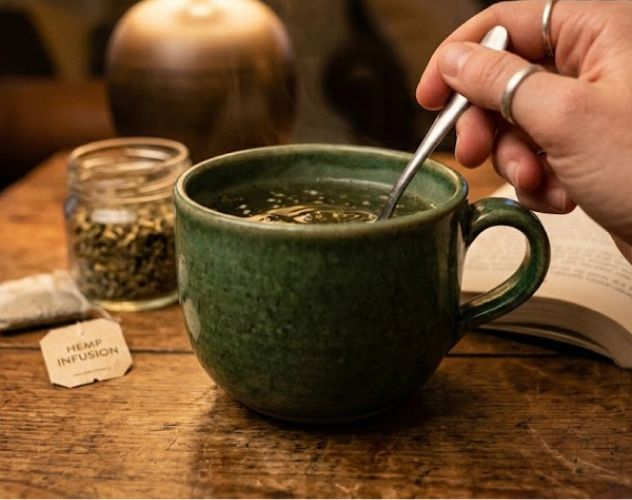
While research into cannabinoids is ongoing, some people choose THCA tea as part of their wind-down ritual because they are exploring plant-based approaches to relaxation without any psychoactive effects.
It’s important to note:
- THCA is non-psychoactive in its raw form
- Research into its properties is still developing
- Experiences can vary between individuals
Rather than viewing THCA tea as a solution in itself, many people incorporate it into a broader evening routine that includes reduced stimulation, consistent timing, and intentional rest. These structured habits are often aimed at supporting overall sleep quality rather than relying on any single product.
For this reason, THCA tea is typically seen as one element within an overall effort to unwind at the end of the day and prepare for bed.
Ways to incorporate THCA tea into an evening routine
For some adults, THCA tea becomes part of a structured evening or bedtime routine. The focus isn’t just on the drink itself, but on the habits and environment around it, as a predictable routine can signal that the day is slowing down.
Here are some helpful ways you can try to create a routine and see what works for you:
Create a low-stimulation environment
Set up your space to feel calmer and less active:
- Dim lights or switch to lamps
- Reduce screen time in the hour before bed
- Keep noise minimal or play soft music
- Tidy visible clutter
The aim is to shift from a busy atmosphere to a slower pace.
Choose a consistent time to brew and drink
Timing can help build structure:
- Drink your tea around 60–90 minutes before bed
- Keep the timing similar each evening
Consistency often matters more than exact timing.
Turn it into a simple ritual
Repetition can make the habit feel familiar:
- Use the same mug
- Sit in the same place
- Take a few slow breaths before drinking
- Avoid multitasking
Over time, small, repeated actions can make your wind-down routine feel more natural and grounding before bed.
How to brew THCA tea for bedtime use

If you’re exploring THCA tea as part of a calming evening routine, preparation matters. The way the flower is handled and brewed can influence the overall cannabinoid profile and experience.
- 1. Use quality THCA-rich flower: Choose a lab-tested flower that has been stored properly and clearly labelled.
- 2. Break apart the flower gently: Avoid grinding too finely – light breaking by hand is sufficient.
- 3. Heat water: Bring water to a hot temperature, then use it to steep the THCA-rich flower. Avoid prolonged boiling or sustained high heat, as preparation methods can influence cannabinoid conversion.
- 4. Steep for 10-15 minutes, then strain: Cover the cup or teapot while steeping to preserve aroma, then strain.
- 5. Add a small fat source: You can add a splash of milk or coconut oil, as cannabinoids are fat-soluble. You can also add cinnamon or lemon to taste.
- 6. Enjoy your drink: Sip in a relaxed setting as part of your wind-down routine.
As with any herbal preparation, consistency, environment, and personal preference all play a role.
Safety and considerations
Before adding THCA tea to your routine, consider the following:
- Consult a healthcare professional if you take medication
- Avoid use during pregnancy or breastfeeding
- Ensure products are lab tested
THCA tea should not be used as a substitute for professional care. If you experience ongoing sleep disturbances, anxiety, chronic pain, or other medical conditions, speak with a healthcare provider before using THCA or other cannabinoid products. While early research is gaining attention for potential benefits, these findings are still developing.
You should also keep in mind that individual experiences vary. It’s important to purchase THCA flower from reputable sellers who provide transparent lab testing and clear product information, as choosing high-quality, properly stored products helps ensure consistency and safety.
Summary: Key takeaways
THCA tea is a plant-based drink made from raw THCA-rich flowers. When brewed gently and kept in its raw form, it remains non-intoxicating and free from psychoactive effects associated with THC.
While research into THCA and other cannabinoids is ongoing, some adults explore THCA for sleep as part of a structured evening routine focused on stress relief, relaxation techniques, and sleep-supporting habits. Rather than acting as a direct sleep aid, THCA tea is typically included in a broader natural approach to supporting healthy sleep habits, maintaining a consistent sleep–wake cycle, and overall well-being.
As with all cannabinoid products, quality sourcing, careful preparation, and responsible use are essential.
Discover Kushte’s THCA flowers today
At Kushte, we offer a carefully selected range of lab-tested THCA flowers, including Type 1 flowers and Type 2 flowers. All products are clearly labelled, responsibly sourced, and stored to preserve cannabinoid integrity.
Whether you’re new to THCA tea or refining your nighttime ritual, explore our premium THCA products today and discover plant-based options suited to your routine.
If you have any questions about our range, please contact us, and we’ll get back to you as soon as possible.
Frequently Asked Questions
Research into THCA and sleep is still developing. Some individuals include THCA tea in their evening routines as part of broader efforts to relax and prepare to fall asleep naturally. THCA is not approved as a sleep aid, and individual experiences vary. Consult a healthcare provider if you have ongoing sleep issues or have sleep disorders.
The choice between Type 1 and Type 2 THCA flower comes down to cannabinoid profile and personal preference. When brewing THCA tea for evening use, some people prefer Type 2 for its balanced THCA:CBD profile, while others choose Type 1 depending on their familiarity and routine. Individual response can influence the overall experience.
Many people choose to drink THCA tea around 60–90 minutes before bed as part of their wind-down routine. This creates a buffer between the day’s activity and bedtime. However, there’s no exact timing rule – consistency is usually more important.
This article is for informational purposes only and does not constitute medical advice. Always seek guidance from a healthcare provider before starting any new supplement.