When buying THCA hemp flower, how can you check what’s actually in the product? A laboratory report provides useful information about its chemical composition, including cannabinoid percentages and, depending on the tests performed, potential contaminants.
However, these reports can seem complicated if you’re unfamiliar with the terminology. In this guide, we’ll explain how to read a THCA lab report, what the results mean and what to look for when reviewing a product’s Certificate of Analysis (COA).
Whether you’re new to THCA hemp flower or want to understand the testing behind your purchase, this guide will help you interpret the information more confidently.
At Kushte, we offer a carefully selected range of THCA hemp flower, sourced from trusted US growers and supported by lab testing. Explore our collection and order online today.
What is a Certificate of Analysis (COA) for THCA flower?
A Certificate of Analysis (COA) is a laboratory report that details the results of tests carried out on a specific product sample.
THCA (tetrahydrocannabinolic acid) is a naturally occurring, non-psychoactive cannabinoid found in the Cannabis sativa plant. A COA for THCA flower typically shows the cannabinoids detected in the tested sample, including THCA, THC and CBD, along with their measured concentrations.
Depending on the testing performed, the certificate may also include results for contaminants and aromatic compounds known as terpenes.
Independent third-party testing is particularly useful because the analysis is carried out by a laboratory separate from the supplier. This provides additional evidence beyond the product description.
However, a COA only reports the findings of the tests performed on the submitted sample. It doesn’t automatically verify every aspect of product quality or safety.
What information should appear on a COA?
A THCA flower Certificate of Analysis typically includes details about the sample tested, the responsible laboratory, and the analysis results.
Some of the key information to look for includes:
- Laboratory details: The testing facility’s name, contact information and relevant accreditation.
- Product identification: The sample name or description.
- Batch number: An identifier connecting the sample to a specific production batch.
- Testing date: When the sample was analysed, or the report was issued.
- Test results: The compounds or contaminants measured and their reported concentrations.
These details help establish the report’s traceability, allowing customers to check that the results relate to the THCA flower they’re considering.
Some certificates may also include an expiry or retest date, depending on the laboratory and product.
How to read a THCA flower lab report
Once you’ve checked the report’s identifying details, you can look more closely at the results.
Most THCA flower lab reports organise their findings into separate sections, covering cannabinoid concentrations and any additional testing performed.
Understanding THCA and cannabinoid percentages in a THCA lab report
Start by looking for the cannabinoid profile, sometimes labelled potency analysis. This section identifies the cannabinoids detected in the sample and their measured concentrations.
For example, if a THCA lab report shows 20% THCA, this means approximately 20% of the tested material’s weight was measured as THCA. Other cannabinoids listed may include THC, CBD, CBDA and CBG, depending on the flower and testing panel.
Results may be expressed as percentages by weight or milligrams per gram (mg/g). Some reports calculate concentrations on a dry-weight basis, so it’s worth checking the units and reporting method.
Remember that a higher THCA percentage doesn’t automatically mean better-quality flower. Cannabinoid content is just one characteristic of the product.
Understanding THC levels on a COA
An important result to check on a THCA flower lab report is delta-9 THC, which is chemically distinct from THCA. THCA is non-psychoactive, whereas delta-9 THC is known for producing intoxicating effects.
Laboratories commonly measure these cannabinoids separately, with delta-9 THC sometimes labelled Δ9-THC or simply THC.
Some certificates also include a separate total THC figure, which accounts for both THC and THCA according to the laboratory’s calculation method. This isn’t the same as the measured delta-9 THC percentage.
When reviewing THC levels, you may come across references to a limit of 0.2%. However, this figure alone doesn’t establish the legal status of a finished THCA flower product in the UK.
Common laboratory terms and abbreviations
THCA flower lab reports often contain measurements and abbreviations that may be unfamiliar at first.
Here are some of the most common terms and what they mean:
| Term | What it means |
|---|---|
| THCA % | The percentage of THCA measured in the sample |
| Delta-9 THC % | The measured concentration of delta-9 THC |
| Total THC | A calculated THC value that accounts for both THC and THCA |
| mg/g | Milligrams of a compound per gram of material |
| ND | Not detected at or above the laboratory’s reporting threshold |
| LOD | Limit of detection |
| LOQ | Limit of quantification |
| Pass/Fail | Whether a result meets the specified testing criteria |
It’s important to understand that “not detected” doesn’t necessarily mean a substance is completely absent. It means the laboratory didn’t detect it at or above the method’s stated detection limit.
Similarly, a Pass result means the sample met the applicable specifications for that particular test, rather than guaranteeing that the entire product is free from risk.
What does a COA tell you about contaminants?
Beyond cannabinoid content, thorough testing can help identify potentially harmful substances in hemp-derived products. Contaminant screening is an important part of quality assurance, although not every COA includes the same tests.
Common contaminant tests include:
- Heavy metals: Such as lead, cadmium, arsenic and mercury.
- Pesticides: Residues from substances used in agricultural production.
- Microbial contaminants: Including certain bacteria and moulds.
- Mycotoxins: Harmful compounds produced by some types of mould.
- Residual solvents: Chemical substances that may remain after certain processing methods.
A contaminant report typically shows the substances tested, their measured concentrations and whether they meet predefined specifications.
Not all laboratory reports include contaminant testing, so check which substances were tested and whether the results meet the relevant safety criteria.
Can a COA show whether THCA flower is sprayed?
A common concern about THCA products is whether the flower naturally contains its reported cannabinoids or has been treated with additional substances. THCA occurs naturally in the Cannabis sativa plant, so its presence doesn’t necessarily indicate that anything has been added.
Although a COA can identify the chemical compounds measured in a sample, a standard cannabinoid lab report cannot confirm whether a flower has been sprayed or treated with additional cannabinoids.
Unusual results may warrant further investigation, but laboratory findings alone aren’t definitive proof of cultivation or processing methods. This is why it’s important to choose trusted suppliers, check customer reviews and look for clear information about sourcing, cultivation and laboratory testing.
At Kushte, we prioritise transparent sourcing and naturally cultivated flowers. Learn more in our guide to how our THCA flowers are naturally cultivated.
What can terpene testing tell you?
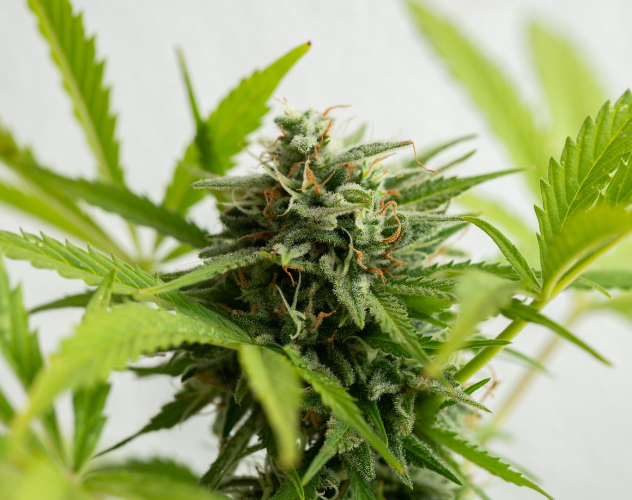
Some THCA flower lab reports include a terpene profile, identifying naturally occurring aromatic compounds and their measured concentrations.
Terpenes such as myrcene, limonene and pinene contribute to the earthy, citrus and woody aromas associated with different THCA flower strains.
However, not every COA includes terpene analysis. If you’re interested in a flower’s aromatic characteristics, check whether the specific certificate contains a separate terpene testing panel.
How to check lab report reliability for THCA products
When reviewing a Certificate of Analysis, there are a few key details to check:
- Batch number: Confirm the report matches the specific batch of THCA flower.
- Laboratory details: Check the testing facility’s information and relevant accreditation.
- Testing dates: Look for the analysis date and any expiry information or retest date.
- Test results: Check which cannabinoids and contaminants were tested, and look for any missing information or inconsistencies.
These checks can help confirm that the lab report relates to the product being sold and that the results are reliable. However, a COA is only one part of quality assurance. Trusted suppliers, accurate laboratory records and consistent quality checks are also important.
For more advice on assessing flower quality, read our guide to identifying premium-quality THCA flower.
Summary: Understanding THCA flower lab results
A Certificate of Analysis (COA) provides useful information about the chemical composition of a tested THCA flower sample, helping customers understand what’s in the product.
When reviewing a THCA lab report, check the laboratory details, batch number and testing date, followed by the cannabinoid percentages, contaminant results and terpene profile, where available.
However, a COA only reflects the tests performed on a particular sample. It cannot guarantee overall product safety, confirm whether flower has been sprayed or establish how it was cultivated.
By understanding the results and choosing trusted suppliers with transparent laboratory testing, you can make more informed decisions when buying THCA hemp flower.
Buy high-quality, lab-tested THCA hemp flower at Kushte
At Kushte, we carefully select premium, US-imported THCA hemp flowers from trusted growers, with laboratory testing and clear product information. Our range includes Type 1 and Type 2 varieties, offering different cannabinoid profiles and natural aromatic characteristics.
Browse our THCA hemp flower collection to explore the available options for hemp tea preparation and buy online today.
Have a question about a particular product or its testing information? Please get in touch.
Frequently Asked Questions
COA stands for Certificate of Analysis. It’s a laboratory document detailing the results of tests performed on a product sample. For THCA flower, it typically includes cannabinoid concentrations and may also contain information about contaminants or terpenes, depending on the testing performed.
A COA provides useful evidence about the compounds and contaminants tested, but it doesn’t guarantee complete safety. Its findings relate to the submitted sample and the laboratory’s testing scope. Additional quality controls and reliable sourcing are also important.
Not necessarily. Laboratory testing and the availability of Certificates of Analysis can vary between suppliers. When buying THCA hemp flower, look for retailers that provide clear product information and access to relevant lab results.
Disclaimer: This article is for informational purposes only and does not constitute medical advice. Always seek guidance from a healthcare provider before starting any new supplement.