Why does one THCA hemp flower smell citrusy, while another has a more earthy or floral aroma? Much of the difference comes from naturally occurring aromatic compounds called terpenes.
Terpenes are found in various plants, from citrus fruits and pine trees to lavender and herbs. In hemp, they help create the distinctive aromas associated with different strains, but what are THCA terpenes, how are they produced, and what can they tell us about a flower?
In this guide, we’ll explore the science behind terpenes, the most common examples and their role in the aroma of hemp tea. Whether you’re new to THCA hemp flower or interested in understanding the differences between varieties, this guide will help you make sense of their natural aromatic characteristics.
At Kushte, we offer a carefully selected range of THCA hemp flower, including Type 1 and Type 2 varieties, sourced from trusted US growers and lab-tested. Order online today.
What are terpenes in THCA hemp flower?
THCA hemp flower comes from the hemp plant and naturally contains cannabinoids, including THCA (the non-psychoactive acidic precursor to THC), alongside aromatic compounds called terpenes.
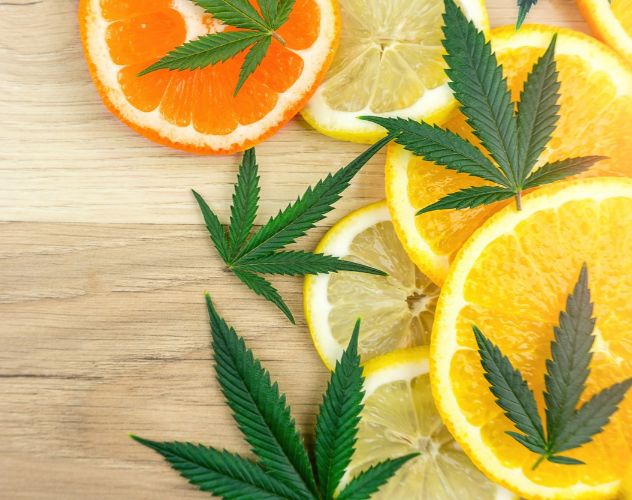
Terpenes are organic compounds produced naturally by plants and are components of many plant-derived essential oils. They have recognisable aromas, such as the citrus smell of an orange peel or the fresh scent of pine needles.
Hemp flowers contain a combination of terpenes rather than one single aromatic compound. Different combinations and concentrations produce different aromas, even between flowers that look similar.
Are terpenes the same as cannabinoids?
No. Although both occur naturally in hemp, terpenes and cannabinoids are different groups of compounds with distinct roles.
Cannabinoids include THCA (tetrahydrocannabinolic acid), THC (tetrahydrocannabinol) and CBD (cannabidiol). THCA is the non-psychoactive acidic precursor to THC. Terpenes, on the other hand, contribute to the plant’s distinctive aromas and can also play a role in its natural defences against pests.
Both types of compounds are found in THCA hemp flower and CBD flower, for example, although their concentrations vary between different varieties.
How are terpenes produced in hemp plants?
Terpenes are produced naturally as the hemp plant grows, but the types and amounts present can vary depending on the plant’s genetics, growing environment and stage of development.
The role of trichomes
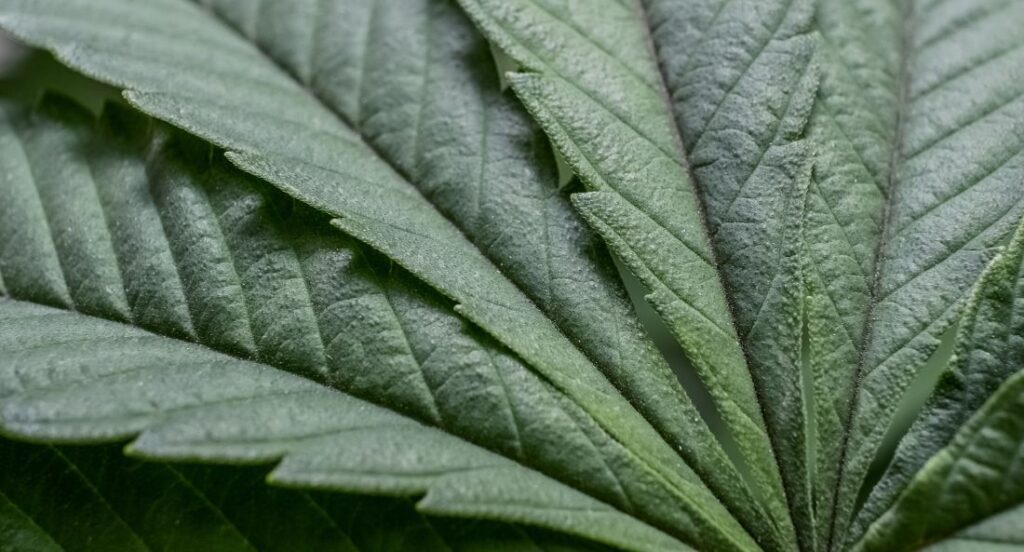
If you look closely at a hemp flower, you may notice a frosted-looking coating made up of tiny structures called trichomes.
Certain glandular trichomes produce and store resin containing both cannabinoids and terpenes. These structures play an important role in developing the flower’s natural chemical composition and distinctive aroma.
What affects terpene development?
Although trichomes produce many of the terpenes found in hemp flower, several factors influence which compounds develop and their concentrations:
- Genetics: Different strains have different capacities to produce particular terpenes.
- Growing environment: Light, temperature and other environmental conditions can influence terpene production.
- Plant maturity: The types and concentrations of terpenes can change as flowers develop.
- Harvesting and curing: How flowers are handled after harvesting can affect how well their aromatic compounds are preserved.
Together, these factors help explain why terpene profiles can vary between different strains and even between harvests of the same variety.
Common aromatic compounds: terpenes in THCA hemp flower
Hemp plants produce a wide variety of terpenes, although certain terpenes are more commonly found across different strains than others. Each has its own characteristic aroma, contributing to the distinctive scents of individual flowers.
The table below highlights six common terpenes found in hemp and their typical aromas:
| Terpene | Typical aroma | Also found in |
|---|---|---|
| Myrcene | Earthy, herbal, musky aroma | Hops, mangoes, thyme |
| Limonene | Fresh, citrus, lemon | Citrus fruit peels |
| Pinene | Pine, fresh, woody | Pine trees, rosemary |
| Linalool | Floral, lavender-like | Lavender, coriander |
| Beta-caryophyllene | Spicy, peppery, woody | Black pepper, cloves |
| Humulene | Earthy, woody, herbal | Hops, sage |
Myrcene is often one of the more abundant terpenes in hemp and is sometimes described as the most common terpene, although the dominant compound varies between different varieties.
Pinene occurs in two common forms, alpha-pinene and beta-pinene, which have different chemical structures and slightly different aromatic characteristics.
Other terpenes, including limonene and linalool, contribute to the diversity of aromas found in THCA hemp flower, alongside compounds such as beta-caryophyllene and humulene.
While each terpene has its own recognisable scent, the overall aroma of THCA hemp flower doesn’t come from one compound alone. Instead, it depends on the combination and concentration of terpenes, alongside other compounds that naturally occur in the flower and contribute to its scent.
This means that two THCA hemp flower strains containing the same terpenes may still have noticeably different aromas.
What is a terpene profile and why does it matter?
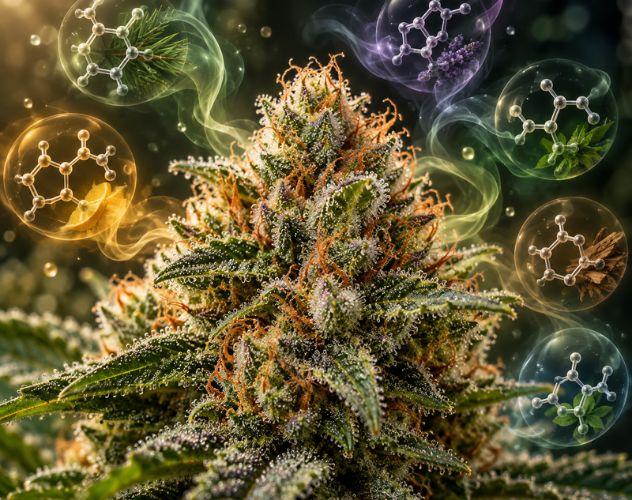
As we’ve seen, the aroma of THCA hemp flower can depend on the combination and concentration of different terpenes. This unique mixture is known as its terpene profile.
Some terpenes may be present in larger quantities and are known as dominant terpenes, while others occur in smaller amounts but can still influence the overall aroma.
For example, different strains of THCA hemp flower may contain the same terpenes, such as myrcene and limonene, but in varying concentrations that create noticeably different aromas.
Terpenes are also discussed in relation to the entourage effect, a scientific hypothesis suggesting that cannabinoids, terpenes and other plant compounds may interact with one another. However, the nature and significance of these interactions are still being researched.
Terpene profiles vs cannabinoid profiles
Both terpene and cannabinoid profiles tell us about the natural compounds found in THCA hemp flower, but they measure different things.
A terpene profile identifies the types and concentrations of terpenes present, which contribute to the flower’s aroma, while a cannabinoid profile shows the types and concentrations of cannabinoids, such as THCA and CBD.
This distinction is useful when comparing different THCA hemp flowers, as their cannabinoid content doesn’t necessarily tell us what they’ll smell like.
For example, Type 1 THCA flower generally contains high THCA and relatively little CBD, while Type 2 flower has a more balanced ratio of THCA to CBD.
However, these classifications are based on cannabinoid content, not terpenes. Both Type 1 and Type 2 flowers can contain different combinations of myrcene, limonene, pinene and other terpenes, giving individual strains their distinctive aromas.
For more information about their differences, read our guide to Type 1 vs Type 2 THCA flower.
How do THCA terpenes influence aroma and flavour in hemp tea?
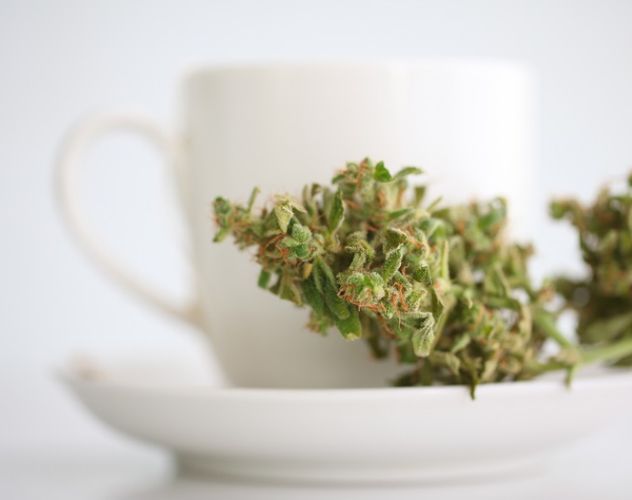
THCA hemp flowers can be used to prepare hemp tea, with their naturally occurring terpenes contributing to the aroma of the dried flower and potentially the finished infusion.
Many terpenes are volatile, meaning they can evaporate into the surrounding air. This is why we can detect their aromas when smelling flowers, fruits and herbs. Our sense of smell also plays an important role in how we perceive flavour.
However, the aroma of dried THCA flower won’t necessarily match the finished tea. Different terpenes vary in volatility and water solubility, meaning they won’t all transfer into water or remain present in the same amounts during brewing.
How to choose THCA flower for tea
When choosing THCA hemp flower for tea, it’s worth considering more than just its THCA percentage. The flower’s natural aroma, terpene profile and overall quality can all help guide your decision.
Some key factors to consider include:
- Terpene profile: Look for aromatic characteristics that appeal to you, such as citrus notes associated with limonene or earthy aromas linked to myrcene.
- Cannabinoid content: Check whether the flower is Type 1 or Type 2, depending on your preferred THCA and CBD balance.
- Freshness and quality: Look for well-preserved flowers with a natural aroma and information about their cultivation and sourcing.
- Lab testing: Choose flowers with clear product information and laboratory results to help verify their composition and quality.
Remember that a flower’s aroma doesn’t guarantee how the finished tea will taste, so use these characteristics as a guide rather than an exact prediction, and always follow the preparation instructions provided with your chosen product.
For a more detailed look, read our guide to choosing the right THCA flower for your daily tea routine.
Why does terpene preservation matter?
Terpene content can change after hemp flowers are harvested. Many of these compounds are sensitive to factors such as heat, oxygen and light.
Over time, exposure to unsuitable conditions can reduce certain terpenes or alter their composition. A flower may gradually lose some of its original citrus, floral or earthy characteristics.
Careful harvesting, curing, packaging and storage therefore matter when preserving a flower’s natural aroma. However, a strong smell isn’t proof of quality or safety. Sourcing, moisture control and appropriate laboratory testing remain important when assessing products.
What can lab testing tell you?
As aroma alone can’t identify the exact compounds present, laboratory testing can provide a more detailed picture of a flower’s chemical composition.
A dedicated terpene test can identify individual aromatic compounds and measure their concentrations, offering more precise information than general descriptions such as “citrus” or “earthy”.
However, a standard cannabinoid report doesn’t necessarily include terpene analysis, so it’s worth checking which compounds have actually been tested.
Summary: understanding the role of terpenes
Terpenes are naturally occurring aromatic compounds that help give THCA hemp flowers their distinctive scents. Common examples include myrcene, limonene, pinene and linalool, each contributing different aromatic characteristics.
Their concentrations vary depending on the plant’s genetics, growing conditions and how the flowers are handled and stored. This means that even varieties with similar cannabinoid content can have noticeably different terpene profiles.
Understanding these profiles can help you compare THCA hemp flowers for tea based on their natural aromas, alongside factors such as freshness, sourcing and lab testing. However, the aroma of dried flower won’t necessarily reflect the flavour of the finished infusion.
Buy high-quality THCA hemp flower at Kushte
At Kushte, we carefully select premium, US-imported THCA hemp flowers from trusted growers, with laboratory testing and clear product information.
Our range includes Type 1 and Type 2 varieties, offering a selection of natural aroma profiles to explore. Browse our THCA hemp flower collection to compare the options available for hemp tea preparation and buy online today.
If you have questions about a particular variety, get in touch.
Frequently Asked Questions
Terpenes contribute to the natural aroma of THCA hemp flower. Within living plants, they also have roles in interactions with the surrounding environment, including insects. Their different combinations and concentrations help explain why individual strains smell different.
Terpenes are aromatic compounds found across many plants. Cannabinoids are a separate group of compounds, including THCA and CBD, found in hemp. Both contribute to the flower’s chemical composition, but they’re identified and measured separately.
Not necessarily. Although a higher terpene percentage indicates a greater concentration of these aromatic compounds, it doesn’t automatically mean better quality. Factors such as cultivation methods, freshness, proper storage, and laboratory testing are important when assessing THCA hemp flower.
Disclaimer: This article is for informational purposes only and does not constitute medical advice. Always seek guidance from a healthcare provider before starting any new supplement.